Brent Cross commercial carpet cleaning for Brent shops
If you run a shop near Brent Cross, you already know the floor gets judged before anything else. Mud from the pavement, coffee spills, tracked-in grit, delivery dust, the odd leak from a fridges or display stand - it all ends up in the carpet. Brent Cross commercial carpet cleaning for Brent shops is not just about making the place look tidy for five minutes. It protects your brand, improves the customer experience, and helps your flooring last longer. In a busy retail setting, that matters every single day.
This guide walks through how commercial carpet cleaning works, what it solves, when it makes sense, and how to choose the right approach for a shop environment. You will also find a checklist, a comparison table, and practical advice that feels grounded in real shop life, not fluffy theory. Let's face it, retail floors have a hard life.
Why Brent Cross commercial carpet cleaning for Brent shops Matters
Retail carpets do more than sit underfoot. They shape how people feel as they walk in. A clean, fresh floor quietly says the shop is organised, cared for, and worth spending time in. A dull, stained carpet says the opposite, even if everything on the shelves is perfect. That first impression is quick, almost instant, and shoppers rarely announce it out loud.
Brent Cross is a high-footfall retail environment, so shops often deal with faster carpet wear than offices or low-traffic premises. Shoes bring in dirt from outside, stock movement leaves scuffs, and customer queues create wear paths in front of tills, fitting rooms, entrances, and service counters. Over time, the fibres trap soil deep down, not just on the surface. Vacuuming helps, of course, but it cannot pull out everything.
There is also the hygiene side. Carpets can hold dust, allergens, food crumbs, and odours. In food retail, fashion, salons, convenience shops, and customer-facing counters, that build-up can become noticeable before the team spots it. A shop can be clean everywhere else and still feel tired because the flooring is letting the side down. It happens more often than people think.
A proper commercial carpet clean also supports floor preservation. Dirt particles act a bit like sandpaper when ground into fibres by foot traffic. That means gradual, avoidable wear. Professional cleaning removes more of that grit and helps the carpet recover its appearance, which can delay expensive replacement. And yes, replacement is usually a lot more painful than cleaning.
If your shop is part of a larger building or retail unit, carpet cleaning can also fit into a broader maintenance plan alongside office cleaning, deep cleaning, or even window cleaning when you want the whole customer area to feel properly looked after. The point is simple: the floor is part of the customer journey, not an afterthought.
How Brent Cross commercial carpet cleaning for Brent shops Works
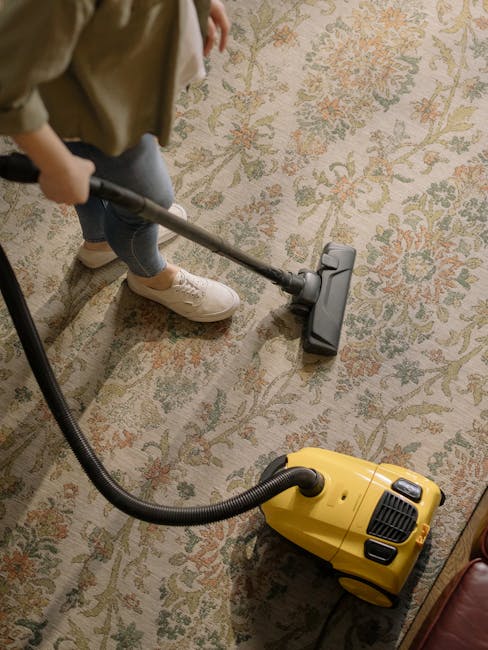
Commercial carpet cleaning is usually more structured than domestic cleaning. A shop needs a method that removes dirt effectively, dries in a reasonable time, and does not disrupt trading too much. In practice, the job often starts with a survey of the carpet type, traffic levels, visible staining, and any problem areas such as entry mats, till queues, or display aisles.
The cleaner then selects a suitable method. Hot water extraction is common for deep soil removal, while low-moisture techniques may be better when the shop needs a faster turnaround. Spot treatment is often used for local stains such as drink spills, heel marks, or product leaks. If the carpet has a mixed fibre or a delicate finish, that changes the process too. One size does not fit all, and to be fair, that is a good thing.
Most professional cleaning follows a pattern like this:
- Inspect the carpet and identify stains, wear zones, and fibre type.
- Vacuum thoroughly to remove loose grit and debris.
- Pre-treat marks and high-traffic soil build-up.
- Apply the chosen cleaning method.
- Extract or remove residue carefully.
- Groom fibres where needed and allow drying time.
- Check the results and revisit stubborn spots if necessary.
In a busy Brent Cross shop, timing matters as much as technique. Many retail clients prefer early morning, late evening, or off-day cleaning to reduce interruption. A small shop might only need a few hours of downtime; a larger store may need a more staged plan. If you can split the work by zone, even better. Clean one area while another remains open. No drama, no chaos.
Commercial carpet cleaning can also be paired with related services if the shop has more than just carpeted areas. For example, stores with changing rooms may also need upholstery cleaning, while spaces with hard entry zones often benefit from hard floor cleaning. That mix-and-match approach is often the most sensible way to keep a shop looking consistent.
Key Benefits and Practical Advantages
The biggest benefit is obvious: the place looks better. But there is more going on than appearance alone. Good carpet maintenance helps a shop feel fresher, more comfortable, and more professional. Customers notice that, even if they do not consciously think about it.
Key advantages include:
- Better first impressions: a clean floor supports the overall presentation of the store.
- Longer carpet life: less abrasive dirt means less fibre damage over time.
- Reduced odours: helpful in shops with food, drink, fabric, or heavy footfall.
- Improved staff comfort: people work better in a space that feels clean and cared for.
- More consistent branding: a tidy environment makes premium displays and visual merchandising feel more credible.
- Lower long-term spend: planned cleaning is usually cheaper than early replacement.
There is also a less obvious benefit: a cleaner carpet can make the whole shop feel brighter. A lot of natural and artificial light gets swallowed by worn, greyed fibres. Once the carpet is lifted and refreshed, the space often feels bigger and less tired. It is a small change with a surprisingly big effect. You notice it when you walk back in the next morning.
For managers, another advantage is predictability. Rather than dealing with sudden complaints, emergency cleaning, or awkward comments from customers, you work to a schedule. That makes budgeting easier, and it tends to reduce stressful last-minute scrambles. Honestly, retail already has enough of those.
Who This Is For and When It Makes Sense
This service makes sense for any shop where the public sees the floor and where foot traffic is steady enough to cause build-up. That includes clothing shops, convenience stores, salons, pharmacies, gift shops, small boutiques, electronics retailers, and service counters with customer waiting areas.
It is especially useful if you recognise any of these signs:
- the carpet looks darker along routes customers walk most often;
- there are visible marks near entrances or tills;
- the shop has a stale or dusty smell even after vacuuming;
- the carpet has started flattening in walkways;
- staff are spending more time on spot cleaning than they should;
- the flooring no longer matches the standard of the rest of the shop.
Seasonal trading patterns matter too. In winter, grit and moisture get brought in much more easily. In busy sales periods, the floor may collect far more dirt than normal because people simply do not stop moving. If your shop sees spikes in visitor numbers around weekends, promotions, or holiday trading, it can be smart to schedule cleaning before those peaks rather than after the mess has set in.
Some business owners assume they only need cleaning when a stain appears. That is rarely the best approach. Preventive maintenance usually gives better results and lower overall stress. If you wait until the carpet looks awful, the clean may still help, but you have allowed the soil to sit longer than it needed to. Not ideal.
Step-by-Step Guidance
If you are planning Brent Cross commercial carpet cleaning for Brent shops, it helps to approach it methodically. A good result usually comes from a clear process, not luck.
- Assess the shop layout. Note entrances, queuing areas, fitting rooms, tills, stock rooms, and any carpeted walkways. These are the places that wear fastest.
- Identify the main problems. Look for stains, odours, flattening, residue, and colour dulling. Different problems need different treatment.
- Choose the right cleaning method. A heavily soiled retail carpet may need extraction, while a light refresh might suit a quicker low-moisture clean.
- Plan the timing. Choose a window that avoids customer disruption. Early morning and evening are common for a reason.
- Prepare the space. Move lightweight fixtures, protect stock where needed, and make sure staff know which areas are off limits.
- Carry out spot treatment first. That gives stubborn marks the best chance of lifting properly.
- Clean systematically. Work from the least soiled areas to the worst, so dirt is not dragged around.
- Allow correct drying time. Rushing this stage can undo some of the work.
- Inspect the finish. Check edges, walkways, and entry points, then touch up any remaining spots.
- Set a maintenance schedule. A one-off clean is useful; a repeat plan is better.
In a shop, the drying stage deserves respect. Wet carpet and customer traffic do not mix. If the floor is touched too soon, it can look patchy, re-soil faster, or feel unpleasant underfoot. A sensible cleaner will explain the expected drying time and the best way to ventilate the space. That little bit of patience pays off.
Expert Tips for Better Results
First tip: vacuum properly before any deep clean. It sounds basic, but a rushed vacuum is one of the main reasons commercial carpet cleaning underperforms. Loose grit should be removed before moisture or chemical action starts working. Otherwise, you are just turning dust into damp dust, which is not a great achievement.
Second, protect your entry points. Mats at the door are often the best return on effort in retail cleaning. They catch a lot of what would otherwise end up in the carpet. If your shop has a busy entrance, make sure the mat itself is cleaned too. A filthy mat is just a dirt handoff point.
Third, match cleaning to trading patterns. If your shop has high footfall on Fridays and Saturdays, a Thursday clean might make more sense than a Monday clean. It gives the carpet time to settle before the busiest days. Small timing decisions often make a bigger difference than people expect.
Fourth, treat stains quickly but carefully. Rubbing hard can spread the mark or damage fibres. Blotting, proper pre-treatment, and the right product usually work better. A quick reaction is useful, but panic-cleaning is another matter entirely.
Fifth, keep an eye on the areas that customers actually see. Not every square metre has equal visual impact. The first three steps inside the door, the queue area, and the till zone often matter most. If those look good, the whole shop feels better.
One more thing. If your shop sits alongside a wider retail or office setup, it can be worth coordinating the schedule with related services such as carpet cleaning across shared areas, or office cleaners for back-of-house spaces. Joined-up cleaning tends to save time and prevents one area from looking spotless while another quietly slides backwards.
Common Mistakes to Avoid
A lot of carpet damage comes from well-meant shortcuts. The first common mistake is using too much water. Overwetting can lead to long drying times, odour issues, and in some cases reappearing stains. More water is not automatically better. In fact, that is usually where trouble starts.
The second mistake is waiting too long between cleans. Shops with regular footfall should usually be cleaned on a maintenance cycle, not only when the carpet looks embarrassing. Once dirt is embedded for too long, the clean becomes harder and less visually dramatic.
The third mistake is ignoring the edges and corners. Customers may not stare at those areas, but grime loves them. If the main walkway is cleaned and the perimeters are left untouched, the whole result can still feel unfinished.
The fourth is choosing a method purely on price. Cheap cleaning can be expensive if it leaves residue behind, takes too long to dry, or fails on stains. It is fair to compare costs, but the real question is whether the carpet will actually look and feel better afterwards.
The fifth mistake is poor communication with staff. If team members do not know when the floor will be wet, where stock should be moved, or how long traffic should be kept off certain areas, someone will accidentally walk through the work. And then everyone gets grumpy. Usually at the same time.
Tools, Resources and Recommendations
For shop owners, the most useful resources are often the simplest ones. A good cleaning plan, a clear maintenance log, and an honest view of traffic patterns will go further than fancy jargon. If you want to keep the floor in good shape between professional cleans, start with these practical basics:
- high-quality vacuuming with regular schedules;
- entry mats that are cleaned and replaced when worn;
- spot-cleaning supplies approved for your carpet type;
- a stain response routine for staff;
- floor protection for delivery and fixture movement;
- a simple calendar for planned maintenance cleans.
If you are comparing providers, it helps to ask about cleaning methods, drying times, insurance, and how they handle delicate or mixed-fibre carpets. You can also look at a company's approach to insurance and safety, health and safety policy, and recycling and sustainability if those factors matter to your business. They often do, especially in customer-facing retail.
It is also sensible to review pricing and quotes carefully. Not because you want the cheapest number on paper, but because you want to understand what is included. The best quote is usually the one that is clear, consistent, and realistic. Ambiguity is rarely a good sign, truth be told.
Law, Compliance, Standards, or Best Practice
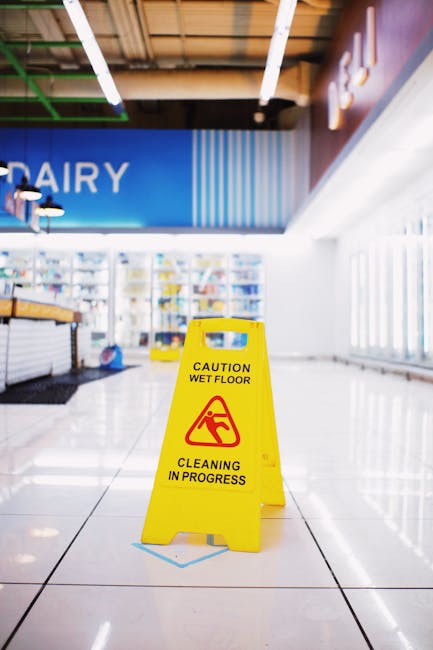
For Brent shops, the main compliance concern is usually not a carpet-specific law. It is broader workplace safety, customer safety, and the duty to keep the premises reasonably clean and not hazardous. Wet floors, trip risks, blocked fire routes, and unsafe equipment movement all need sensible management. That is especially relevant in retail spaces where customers, staff, and contractors may all be present at once.
Best practice in this area usually includes:
- informing staff about cleaning times and access restrictions;
- using appropriate warning signs where needed;
- keeping walkways safe during and after cleaning;
- making sure drying times are respected;
- checking that the contractor has suitable insurance;
- keeping cleaning processes aligned with your own site procedures.
If your premises has shared access, narrow aisles, or public entry during trading hours, it is worth being cautious about scheduling. Even a well-done clean can become a problem if customers are directed through a damp area. So yes, the method matters, but the plan matters too. A clean floor should never create a new risk.
In a commercial setting, the cleaner should also understand how to work around stock, displays, and customer flow without causing disruption. That is less about a rulebook and more about good practice, but it makes a real difference. Shops are not empty houses. People are moving, talking, reaching, carrying, and browsing. The work has to fit around all of that.
Options, Methods, or Comparison Table
Different shop carpets need different approaches. The best method depends on the fibre, the level of soil, the time available for drying, and how much interruption the business can accept.
| Method | Best for | Advantages | Trade-offs |
|---|---|---|---|
| Hot water extraction | Deep soil, heavy footfall, visibly tired carpets | Strong deep-clean effect, good for embedded dirt | Longer drying time, needs careful planning |
| Low-moisture cleaning | Retail spaces needing faster turnaround | Quicker drying, less interruption | May need more frequent maintenance |
| Spot treatment only | Small incidents and isolated marks | Fast and targeted | Does not refresh the whole carpet |
| Maintenance clean | Shops on a regular cleaning cycle | Helps prevent heavy build-up | Less dramatic on badly neglected carpets |
If you are not sure which route to choose, start by asking a simple question: do you need the carpet to look better quickly, or do you need the deepest possible clean? Sometimes the answer is both, but not always on the same day. A good provider should explain the practical trade-offs in plain English.
Case Study or Real-World Example
A typical example would be a small clothing shop near Brent Cross with a light-coloured carpet in the customer area. The team vacuums daily, but over time the entrance begins to look grey, and the walkway from the door to the till becomes noticeably darker. The shop also has a faint stale smell after a wet week, which nobody can quite place at first.
Rather than waiting for the carpet to become obviously shabby, the owner books a planned commercial clean after closing. The cleaner inspects the pile, pre-treats the entrance marks, tackles the queue zone, and works carefully around display fixtures. The next morning, the space feels sharper. The colour looks more even, the smell has lifted, and the front of the shop feels more welcoming. Nothing dramatic. Just noticeably better.
What made the difference was not a miracle product. It was timing, preparation, and using the right method for a busy retail floor. A simple job done properly often beats a flashy one done badly. Shops live and die by those small details.
Practical Checklist
Use this checklist before booking a commercial carpet clean for your shop:
- Identify the highest-traffic areas in the store.
- Note any stains, odours, or worn patches.
- Check the carpet fibre type if you know it.
- Choose a cleaning window that avoids trading disruption.
- Move or protect lightweight stock and fixtures.
- Ask how long drying is likely to take.
- Confirm whether the cleaner has suitable insurance and safety procedures.
- Decide whether you also need related services such as upholstery or hard floor cleaning.
- Agree on access arrangements and who will open or close the shop.
- Set a follow-up schedule so cleaning becomes part of maintenance, not a panic response.
Practical summary: if your shop floor is getting dull, stained, or tired-looking, do not wait for it to become a problem that customers can see from the doorway. A planned clean, done at the right time, is usually the easiest win in retail maintenance. Small effort, big visual payoff. That is the lovely part, really.
Get a free quote today and see how much you can save.
Conclusion
Brent Cross commercial carpet cleaning for Brent shops is one of those services that quietly supports everything else your business is trying to do. It protects presentation, helps maintain hygiene, supports staff comfort, and extends the working life of your flooring. For busy retail spaces, that is a meaningful return.
The best results usually come from a realistic plan: choose the right method, clean before the carpet gets badly neglected, and think about the customer journey from the doorway onward. If the entrance feels fresh, the rest of the shop starts on the right foot. Simple as that.
And if you are still weighing it up, that is fine too. A good maintenance decision does not have to be rushed. It just has to be sensible, timely, and suited to the way your shop actually operates. Sometimes the calmest decisions are the smartest ones.
Frequently Asked Questions
How often should a Brent shop book commercial carpet cleaning?
It depends on footfall, carpet colour, and the type of business. A high-traffic shop may need planned cleaning more often than a quieter retail unit, while some stores can manage with a lighter maintenance cycle. The best clue is usually appearance plus smell plus wear patterns, not just the calendar.
Will commercial carpet cleaning disrupt trading?
It can, but it does not have to. Many shops arrange cleaning before opening, after closing, or during quieter periods. If the cleaner works in zones, some businesses can stay partly operational. Good planning reduces disruption a lot.
Is hot water extraction always the best option?
No. It is effective for deep soil, but it is not always the fastest or most practical choice for every shop. Low-moisture methods may suit businesses that need quicker drying. The right method depends on carpet type, traffic, and timing.
Can carpet cleaning remove old stains?
Sometimes, yes, but not always completely. Older stains can set into fibres or backing materials, which makes them harder to lift. A proper cleaner will usually assess the stain first and explain what result is realistic rather than promising the impossible.
Does carpet cleaning help with odours?
Yes, especially when the smell comes from trapped dirt, spills, or general build-up. If the odour is caused by something deeper, such as water damage, the cleaner may need to treat that differently. Either way, carpet cleaning often improves the overall feel of the space.
What should shop staff do before a cleaner arrives?
They should clear small movable items, protect stock where needed, and make sure access routes are open. It also helps to flag the worst problem areas in advance. A five-minute walkthrough at the start can save a lot of backtracking later.
Is commercial carpet cleaning safe for delicate retail carpets?
It can be, if the method is matched to the carpet fibre and condition. That is why inspection matters. Delicate carpets need a gentler approach than tough commercial loop pile flooring. The cleaner should explain the process clearly.
What is the difference between carpet cleaning and deep cleaning?
Carpet cleaning focuses on the flooring itself, while deep cleaning is broader and may include other surfaces and detail work. In some shops, both are useful. If the whole place feels tired, combining services can make more sense than tackling one area in isolation.
How long does a shop carpet take to dry?
Drying time varies depending on method, airflow, carpet thickness, and how much moisture was used. Some methods dry faster than others. It is wise to ask for a realistic estimate before booking so you can plan around opening hours properly.
Should I choose the cheapest quote?
Not automatically. A low quote may be fine, but only if it still covers the method, time, and care your shop needs. Compare what is included, what drying time to expect, and whether insurance and safety arrangements are clear. Value matters more than a bare number.
Can carpet cleaning work alongside other shop cleaning services?
Yes, and often that is the smartest approach. Many businesses combine it with services such as one-off cleaning, cleaning company support, or after builders cleaning if the premises has just been refurbished or altered.
What is the main sign that my shop needs carpet cleaning now?
If the floor looks dull in the entrance, feels flat in the main walkway, or still smells dusty after vacuuming, that is usually the point to act. Once customers start noticing it, you are already a bit late. Best to get ahead of it.
Is this service suitable for small independent shops as well as larger stores?
Absolutely. In fact, small shops often benefit a lot because presentation is such a direct part of customer trust. A tidy, fresh floor can make a compact retail space feel more open and more cared for. And that can matter a great deal.