Kilburn High Road Brent upholstery cleaning experts: a practical guide to cleaner, longer-lasting furniture
If your sofa has started looking a bit tired, your armchair has picked up everyday grime, or that dining bench now carries the faint memory of every cuppa ever spilled on it, you are not alone. Kilburn High Road Brent upholstery cleaning experts help restore fabric furniture so it looks fresher, smells better, and lasts longer. In a busy London home, that matters more than people think. Dust, body oils, pet hair, food marks, and general wear settle into upholstery quietly, then one day the whole room just feels dull. This guide explains what expert upholstery cleaning involves, when it makes sense, how the process works, and how to choose the right approach for your furniture.
There is no magic trick here. Good results come from careful inspection, the right cleaning method, and a bit of judgement. That is especially true with delicate fabrics, mixed materials, or older furniture you would rather not risk. Let's get into the useful bit.
Why Kilburn High Road Brent upholstery cleaning experts matters
Upholstery is one of those things people use every day and notice only when it goes wrong. A sofa can look fine from a distance, but under daylight you see the patchiness, the flattened pile, and the small marks that never seem to shift. On a street like Kilburn High Road, where homes and businesses see plenty of foot traffic, shared seating and regular use, furniture tends to collect dirt faster than expected.
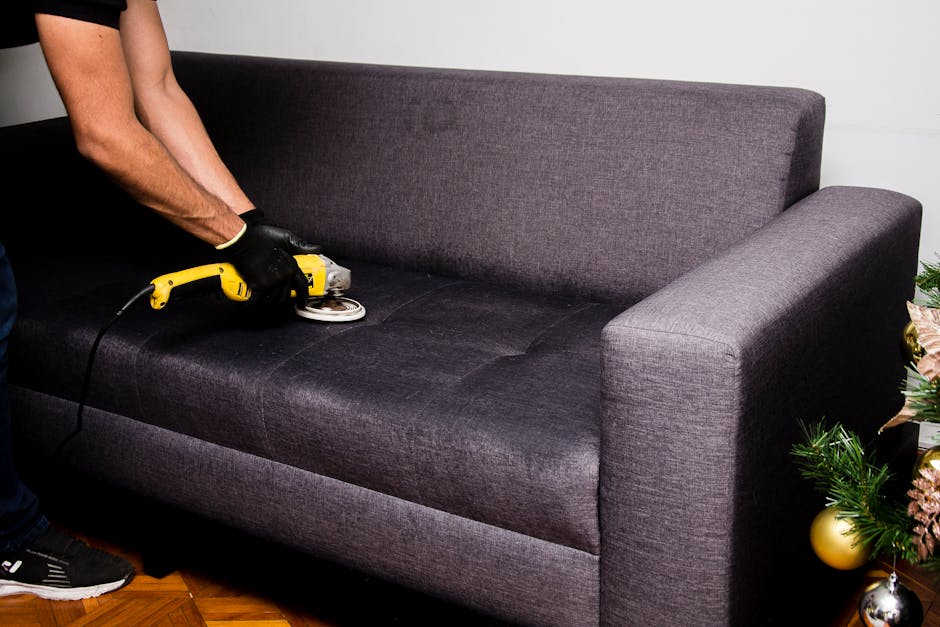
Expert upholstery cleaning matters because fabric furniture behaves differently from hard surfaces. A kitchen worktop can be wiped. Upholstery usually cannot. It holds particles deep in the fibres, and if you attack it with the wrong product, you can spread the stain, leave a watermark, or damage the texture. That is why trained cleaners inspect first rather than just going straight in with a machine. The fabric type, dye stability, backing, filling, and frame all influence what is safe.
For households, the benefits are obvious: a cleaner living room, less lingering odour, and furniture that feels less grimy to sit on. For landlords, letting agents, and tenants, there is a practical side too. Clean upholstery can improve the presentation of a property during handover, and it may help avoid unnecessary replacement. For offices and small hospitality settings, it helps create a better first impression. Nobody wants a reception chair that looks like it has had a hard life.
There is also a health and comfort angle. Upholstery can trap dust, allergens, pet hair, and general debris. While cleaning is not a medical treatment and should never be sold as one, a fresher, better-maintained soft furnishing environment is usually more pleasant to live and work in. Truth be told, it just feels nicer.
Expert summary: the best upholstery cleaning is not about making fabric look artificially new. It is about removing soil safely, protecting fibres, and extending the usable life of the furniture without causing damage.
If you are already comparing service options, it can help to understand the wider cleaning picture too. Many customers pair upholstery work with sofa cleaning, rug cleaning, or a more general deep cleaning visit so the whole room feels refreshed at once.
How Kilburn High Road Brent upholstery cleaning experts works
Professional upholstery cleaning usually follows a simple logic: inspect, test, clean, extract, and dry. That sounds straightforward, and in theory it is. In practice, the small decisions matter.
1. Inspection and fibre identification
The cleaner checks the item first. Is it cotton, polyester, wool blend, velvet, microfibre, leather, or a mixed fabric? Does it have a care label? Are there loose seams, broken piping, fragile trims, or sun-faded sections? A decent technician will not treat every sofa the same. They may also test a small hidden spot for colour fastness before using water or cleaning solution.
2. Dry soil removal
Before any liquid is used, dry soil should usually be removed. That often means careful vacuuming, including the creases, cushions, and edges where crumbs and grit hide. Skipping this step is a bit like mopping a muddy floor without sweeping first. Not ideal.
3. Spot treatment
Visible marks such as food spills, drink rings, grease, or pet stains are treated individually. Different stains need different approaches. For example, a protein-based stain behaves differently from a greasy one. A cleaner with experience will know when to stay gentle and when a targeted pre-treatment is worth trying.
4. Main cleaning method
Depending on the fabric, the cleaner may use hot water extraction, low-moisture cleaning, dry compound methods, or specialist foam treatment. Hot water extraction is common for many durable upholstery fabrics, but it is not suitable for everything. Delicate or moisture-sensitive materials often need lower-moisture care.
5. Extraction and residue removal
Any remaining moisture, cleaning solution, and loosened soil should be removed as thoroughly as possible. This matters because left-behind residue can attract new dirt quickly. If a cleaner leaves the fabric too wet, drying takes longer and the risk of musty smells rises. Nobody wants a sofa that smells like the back of a damp cupboard.
6. Drying and finishing
After cleaning, the fabric is left to dry naturally or with controlled airflow. Cushions may be repositioned, pile brushed where needed, and the fabric checked once more. A proper finish makes a bigger difference than many people expect. It is the difference between "clean enough" and genuinely well cared for.
For some properties, upholstery cleaning is part of a broader service plan that includes carpet cleaning or even one-off cleaning before guests arrive, after a renovation, or ahead of a move.
Key benefits and practical advantages
The obvious benefit is a cleaner-looking sofa or chair. But the real value often sits underneath that simple result.
- Better appearance: colours look brighter, fabric looks less tired, and the room feels more cared for.
- Improved freshness: odours from spills, pets, smoke, or general use are reduced rather than masked.
- Longer furniture life: regular professional care can slow down wear caused by ingrained dirt.
- Safer treatment: delicate fabrics are handled with more care than a DIY approach usually allows.
- Time saved: what might take you a whole afternoon, including a few moments of mild regret, is handled more efficiently by someone equipped for it.
- Better home presentation: especially useful before visitors, tenancy inspections, photos, or events.
There is also a less obvious advantage: confidence. When upholstery has been cleaned properly, you tend to use it more comfortably. People stop avoiding the "bad seat" and start enjoying the room again. Small thing, maybe. But it changes how a home feels.
If the furniture is part of a larger domestic refresh, it may fit alongside domestic cleaning or home cleaners for a more complete reset.
Who this is for and when it makes sense
Upholstery cleaning is not only for visibly stained furniture. In fact, some of the best-timed bookings happen before problems become obvious.
- Homeowners who want to maintain a nice living space without replacing furniture too soon.
- Renters who want to leave a property tidy and avoid disputes over furniture condition, where applicable.
- Landlords and letting agents preparing a property for new occupants.
- Families with children where spills, snacks, and general chaos are simply part of life.
- Pet owners dealing with hair, odour, and the odd muddy paw print.
- Office managers looking after reception seating, meeting-room chairs, or breakout areas.
- Small hospitality venues that need seating to look welcoming and well kept.
When does it make sense to book? Usually when you notice:
- visible staining that vacuuming cannot remove
- fabrics looking dull or uneven
- odours that linger after regular cleaning
- allergy-type complaints linked to dust build-up
- a tenancy end, sale, or changeover period
- new furniture that needs care advice from day one
One practical rule: if the item matters to the room and you would rather not replace it, it probably deserves proper cleaning before it gets worse.
Step-by-step guidance
If you want a simple way to think about the process, here it is. No jargon, no fluff.
- Check the label and condition. Look for care instructions, loose stitching, sun damage, or decorative details that may need protection.
- Vacuum carefully. Remove dry dust, crumbs, and pet hair from seams, buttons, and under cushions.
- Identify stains. Make a rough note of what caused them if you can. Coffee, ink, food, and mud are not all treated the same.
- Test a hidden spot. This helps reduce the risk of colour bleed or texture change.
- Choose the right method. Hot water extraction, dry cleaning, foam, or low-moisture treatment depends on the fabric.
- Treat the fabric evenly. Avoid over-wetting one patch while leaving another untouched. Uneven cleaning leads to uneven drying.
- Extract thoroughly. The cleaner should remove as much moisture and residue as possible.
- Allow proper drying time. Keep the area ventilated and avoid sitting on the upholstery too early.
- Inspect the result. Check for missed marks, water rings, or anything that needs a second pass.
A tiny but important note: if a fabric is labelled as dry-clean only, that does not automatically mean "ignore it." It means the method must be chosen carefully. That distinction matters.
Expert tips for better results
The difference between an average clean and a really good one is often down to the details.
Act on spills early, but gently
If a drink spills, blot rather than rub. Rubbing drives the stain deeper and can rough up the surface fibres. Use a clean, dry cloth and work from the outside of the mark inward. Simple, but easy to forget in the moment.
Do not soak fabric
More water is not better. Over-wetting can lead to long drying times, dye migration, shrinkage in some fabrics, or unpleasant smells. A seasoned cleaner knows when restraint is the better move.
Rotate cushions where possible
It sounds basic because it is basic. Regular rotation helps distribute wear and keeps one side from becoming noticeably flatter than the rest. A bit of habit goes a long way.
Ask about fabric-specific treatment
Velvet, wool blends, linen-look materials, and synthetic weaves all behave differently. Ask how the cleaner plans to handle your specific item. If they give the same answer for everything, that is a little concerning, to be fair.
Keep airflow moving after the clean
Open windows if weather and privacy allow, and avoid blocking the item against walls or curtains. Drying properly is part of the job, not an optional extra.
If you are organising a broader clean-up around furniture, services like house cleaning or deep cleaning can help create the right conditions for upholstery care. Cleaner surroundings mean less dust settling back onto freshly cleaned fabric.
Common mistakes to avoid
Most upholstery damage does not come from dramatic accidents. It comes from well-meaning but clumsy cleaning.
- Using a general household spray on every stain. Many products are not suitable for soft furnishings and can set stains or alter colour.
- Scrubbing hard. This often pushes the stain deeper and can damage the weave.
- Ignoring care labels. They are not decoration. They usually exist for a reason.
- Cleaning only the visible patch. That can leave rings or a mismatched finish.
- Failing to dry properly. Damp upholstery can smell worse than the original problem.
- Assuming all upholstery is the same. It is not. Not even close.
- Using too much detergent. Residue attracts dirt and creates a sticky feel.
There is another quiet mistake too: waiting far too long. The longer a stain sits, the harder it is to lift cleanly. That does not mean all hope is lost, but the odds change. A lot.
Tools, resources and recommendations
You do not need a warehouse full of gear to care for upholstery, but a few sensible tools help.
| Tool or item | Why it helps | What to watch for |
|---|---|---|
| Vacuum with upholstery attachment | Removes dust, crumbs, and pet hair before cleaning | Use a gentle setting on delicate fabric |
| White microfibre cloths | Useful for blotting spills without transferring dye | Avoid coloured cloths that may bleed |
| Soft brush | Helps lift the pile and loosen surface dirt | Do not use stiff bristles on delicate weaves |
| Fabric-safe spot treatment | Can help with small marks before a full clean | Always test first |
| Airflow or fan | Supports faster drying after treatment | Keep moisture moving, not the furniture itself |
For a customer, the most useful "resource" is actually information. Ask the cleaner:
- what method they plan to use
- whether the fabric needs testing first
- how long drying is likely to take
- what aftercare is recommended
- whether the item is suitable for cleaning at all
If the project involves other household surfaces, you may also consider hard floor cleaning or window cleaning as part of a broader refresh. It is often easier to deal with a whole room in one go rather than piecemeal.
Law, compliance, standards, or best practice
Upholstery cleaning is not heavily regulated in the way some specialist trades are, but professional cleaners should still work to sensible UK best practice. That includes using products safely, keeping equipment maintained, handling chemicals carefully, and being clear about limitations. If a company sends someone into your home or workplace, you should reasonably expect them to follow basic safety procedures and use appropriate protective measures where needed.
For customers, the practical side matters most:
- Ask about insurance and safety: a reputable operator should be able to explain how they manage risk. You can also review the company's insurance and safety information before booking.
- Check terms and expectations: understand what is included, what is excluded, and what may happen if a fabric cannot be safely cleaned.
- Be honest about stains: some marks are old, chemically altered, or simply permanent. A careful cleaner should not promise miracles.
- Respect drying advice: using the furniture too soon can undo the result or leave marks.
If the clean is part of a commercial site, office, or rental handover, it may also sit alongside wider property maintenance planning. In those cases, a responsible cleaning company should be able to explain how they schedule work with minimal disruption. If you want to know more about the business itself, the about us page is a sensible place to start, and service details can be checked in the company's terms and conditions and pricing and quotes information.
Options, methods, or comparison table
Not every upholstery job should be handled the same way. Here is a straightforward comparison of the main methods customers are likely to hear about.
| Method | Best for | Pros | Limitations |
|---|---|---|---|
| Hot water extraction | Durable synthetic upholstery, deep soil removal | Thorough cleaning, good for embedded dirt | Longer drying time, not suitable for every fabric |
| Low-moisture cleaning | General fabric care where faster drying matters | Quicker turnaround, less saturation | May be less aggressive on heavy soil |
| Dry cleaning compounds | Moisture-sensitive or delicate materials | Reduced wetting risk | Not always ideal for deep staining |
| Foam cleaning | Light-to-moderate soiling on suitable fabrics | Controlled application, useful for selective cleaning | Requires proper removal to avoid residue |
The "best" method is the one that fits the fabric, the stain, and the condition of the item. Not the flashiest one. Not the one with the biggest machine either. Sometimes the smallest job needs the most care.
Case study or real-world example
A typical local scenario goes like this. A family in Brent has a three-seater fabric sofa that has taken on a greyish look over time. There is a small coffee stain on one arm, pet hair embedded in the seat cushions, and a faint odour that becomes noticeable when the heating is on. Nothing dramatic. Just everyday life doing its thing.
The cleaner begins with inspection and confirms the fabric is a synthetic blend with a safe care label. The sofa is vacuumed thoroughly, including the gaps under the cushions where crumbs tend to vanish. The coffee mark is pre-treated carefully, then the whole sofa is cleaned using a low-moisture method rather than being drenched. The cleaner works evenly across the surface to avoid patchiness, then finishes with controlled drying advice.
What changes? The sofa looks brighter, the room smells fresher, and the couple using the room stops pulling blankets over the tired-looking seat. That might sound small, but it is exactly the kind of change people notice every day. Not dramatic. Just genuinely helpful.
In a different setting, such as an office reception area, the same principle applies. A set of clean chairs can quietly improve how visitors perceive the business. Small signals matter.
Practical checklist
Use this quick checklist before booking or carrying out upholstery cleaning:
- Identify the furniture type and fabric if possible
- Check for care labels or manufacturer instructions
- Note the main stains, marks, or odours
- Vacuum the item first to remove loose soil
- Ask whether a test patch is recommended
- Confirm the cleaning method suits the material
- Ask how long drying should take
- Keep pets and children away until the item is dry enough
- Make sure the room has ventilation if appropriate
- Review aftercare advice once the clean is done
And one more thing: if the cleaner says a fabric is too risky to treat fully, that is usually a sign of honesty, not lack of skill. Better that than a bold promise and a damaged chair. Been there, regretted that.
Get a free quote today and see how much you can save.
Conclusion
Kilburn High Road Brent upholstery cleaning experts are not just there to make furniture look nicer for an afternoon. Their real value is in careful fabric knowledge, safe treatment, and practical results that help furniture last longer and feel better to use. Whether you are dealing with a stained sofa, worn dining chairs, office seating, or a much-loved armchair that has simply seen too many winters, the right cleaning approach can make a noticeable difference.
If you take anything from this guide, let it be this: choose method over guesswork, care over speed, and honest advice over miracle claims. Good upholstery cleaning is steady, thoughtful work. And when it is done well, the whole room benefits.
Fresh fabric. Clearer air. A room that feels looked after again. That is a nice thing to come home to.
Frequently Asked Questions
How often should upholstery be professionally cleaned?
It depends on use. A heavily used family sofa may need attention more often than a spare chair in a guest room. Many people book cleaning when they notice visible dullness, staining, or lingering odour rather than following a strict calendar.
Can all fabric sofas be steam cleaned?
No. Steam or hot water extraction suits some durable fabrics, but not all upholstery is safe for that method. Delicate, moisture-sensitive, or dry-clean-only materials need a different approach.
Will upholstery cleaning remove every stain?
Not always. Some marks are old, set in, or chemically altered by previous cleaning attempts. A good cleaner should explain likely outcomes honestly before starting.
How long does upholstery take to dry?
Drying time varies depending on the fabric, cleaning method, room ventilation, and how much solution was used. Low-moisture methods usually dry faster than deeper wet cleaning.
Is upholstery cleaning safe for pets and children?
It can be, provided suitable products are used and the furniture is allowed to dry properly before normal use. If there are sensitivities or concerns, raise them before the appointment so the cleaner can plan accordingly.
Do I need to vacuum my sofa before the cleaner arrives?
It helps, yes. Removing loose dust and crumbs first lets the cleaner focus on embedded dirt and staining. Some professionals will vacuum as part of the service anyway, but starting clean makes the process smoother.
What is the difference between sofa cleaning and upholstery cleaning?
Upholstery cleaning is the broader term. It covers sofas, armchairs, dining chairs, benches, and other fabric-covered furniture. Sofa cleaning is just one part of that wider service.
Can upholstery cleaning help with pet smells?
It often can reduce odours, especially when the smell is coming from trapped dirt, hair, or spills. Very deep or structural smells may be harder to remove completely, so an inspection is useful first.
Should I book upholstery cleaning before moving out of a property?
If the upholstery is part of the property or needs to be returned in a presentable condition, then yes, it can be a smart step. It is especially useful when the furniture has seen a lot of use and you want the space to look well cared for.
How do I know if a cleaner is taking the right approach?
They should inspect first, talk about fabric type, explain the method, and avoid making unrealistic promises. A careful cleaner will be more interested in protecting the furniture than in rushing straight into the job.
Is professional cleaning better than doing it myself?
For small, simple marks, a careful DIY attempt may be fine. But for valuable, delicate, heavily stained, or large items, professional cleaning is usually safer and more effective. It also saves a lot of trial and error.
What should I ask before booking upholstery cleaning?
Ask about the method, drying time, stain expectations, aftercare, and whether the fabric needs a test patch. If the work is part of a larger home refresh, you might also ask how it fits with professional cleaning support or other household services.
For a final sense of trust and practicality, it can be useful to review a company's approach to service standards and customer care. That way you know what to expect before anyone lifts a nozzle or moves a cushion. A calm, informed booking is usually a better booking.