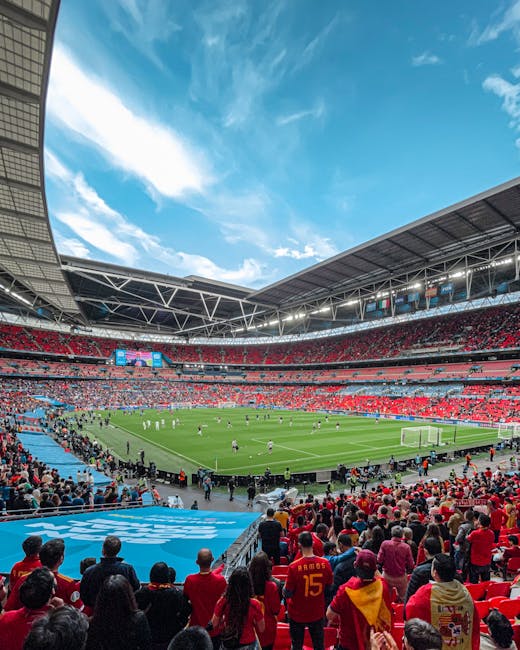
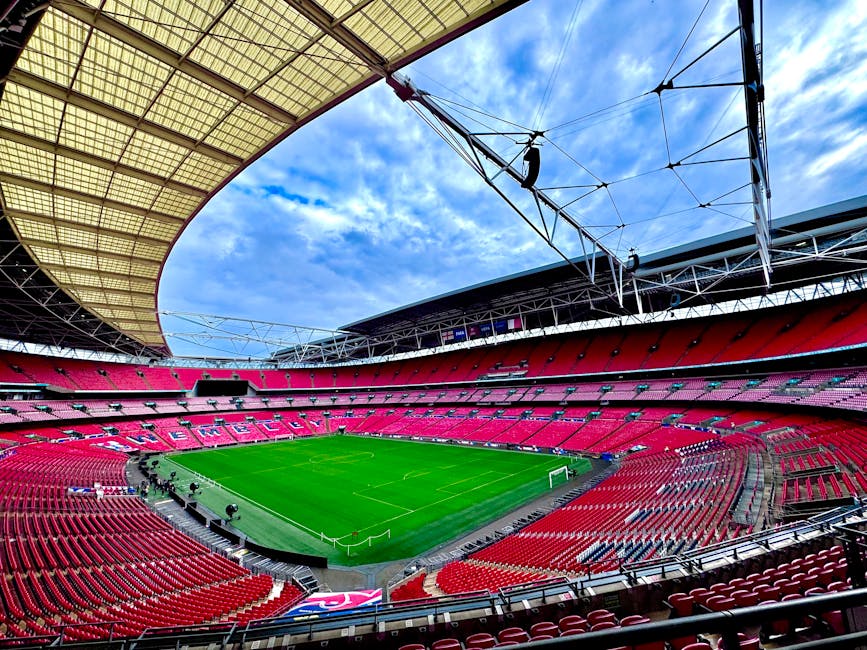
Wembley Stadium Brent carpet cleaning and event stain removal
If you manage a venue, support an event crew, or are simply the person who has to deal with the aftermath, you already know the pattern: one busy evening, a few hundred footsteps, a spill that seemed minor at the time, and then-somehow-the carpet tells the whole story the next morning. Wembley Stadium Brent carpet cleaning and event stain removal is about more than making fibres look tidy again. It is about restoring presentation quickly, reducing odours, protecting the pile, and preventing a small incident from becoming a much bigger cleaning problem.
In a high-traffic event setting, carpets can pick up drink marks, food grease, mud, chewing gum, tracked-in dust, and the odd mystery stain that nobody wants to claim. This guide breaks down how professional cleaning and stain removal work, what actually matters on the ground, and how to choose sensible methods that protect both the flooring and the event schedule. If you need a broader cleaning partner for surrounding areas or supporting spaces, you may also find the main carpet cleaning service useful, along with deep cleaning for heavier post-event recovery.
Table of Contents
- Why Wembley Stadium Brent carpet cleaning and event stain removal Matters
- How Wembley Stadium Brent carpet cleaning and event stain removal Works
- Key Benefits and Practical Advantages
- Who This Is For and When It Makes Sense
- Step-by-Step Guidance
- Expert Tips for Better Results
- Common Mistakes to Avoid
- Tools, Resources and Recommendations
- Law, Compliance, Standards, or Best Practice
- Options, Methods, or Comparison Table
- Case Study or Real-World Example
- Practical Checklist
- Conclusion
- Frequently Asked Questions
Why Wembley Stadium Brent carpet cleaning and event stain removal Matters
At a large venue, carpets do a lot of quiet work. They soften acoustics, improve first impressions, and help a space feel finished rather than temporary. The downside is obvious: they also show wear fast. A single event can leave visible staining, flattened fibres, and that slightly stale smell that appears when moisture, drinks, and footfall all mix together. Not ideal. Not at all.
For Wembley Stadium Brent carpet cleaning and event stain removal, timing matters as much as technique. The sooner a stain is treated, the more likely it is to lift cleanly. Leave it until the next day, and the liquid may settle deeper into the backing or bond with the fibre. That is especially true with sugary drinks, dairy-based spills, sauces, and anything oily. The visible mark may look small, but the hidden residue can attract soil later and turn into a recurring patch.
There is also a reputational angle. Event spaces are judged in seconds. Guests, organisers, sponsors, performers, and facilities teams all notice the floor underfoot, even if nobody says it out loud. A crisp, clean carpet signals control, care, and readiness. A stained one suggests the opposite. Truth be told, people forgive a lot. Dirty carpets, less so.
Expert summary: In event venues, carpet cleaning is not just cosmetic. It is part of operational recovery, hygiene control, and brand presentation, all rolled into one practical job.
Brent has its own pace too-busy transport links, mixed-use buildings, office spaces, and event traffic all create different kinds of wear. A cleaning approach that works in a quiet domestic room will usually be too light for a stadium-side event environment. More on that below.
How Wembley Stadium Brent carpet cleaning and event stain removal Works
The best cleaning process starts with identification, not scrubbing. Different stains behave differently, and the wrong first move can lock them in. Professional event carpet cleaning usually follows a simple but disciplined sequence: inspect, test, pre-treat, agitate where needed, extract, and finish with a careful dry-down.
First comes spotting the stain type. Is it water-based, grease-based, protein-based, dye-based, or a mixture? That sounds a bit technical, but it simply means the cleaner chooses the safest route. For example, a fresh soft drink spill is handled differently from black coffee, red wine, ketchup, or foot traffic marks. A lot of damage happens when people assume every stain is just "dirt" and attack it with the same product.
Second, the area is tested discreetly. Good practice is to check colour fastness and fibre response before treating a wider patch. That is particularly important on patterned carpets or older installations where wear may be uneven. Then the stain is pre-treated using the right solution in the right amount. Less is often more. Drenching a spot can spread it, wick it back up, or leave a residue that creates a new dirt magnet.
Next, the cleaner may use controlled agitation. That could be a soft brush, towel tamping, or a specialist tool, depending on the fibre and the stain. After that comes extraction, which removes loosened soil and cleaning solution. For event clean-ups, this step is usually the difference between "looks better" and "properly restored." Finally, the carpet is dried with ventilation or air movement to reduce downtime and prevent odour.
For larger or more complex areas, cleaning may be combined with wider support work. If spills have reached adjoining upholstery, for instance, the matching upholstery cleaning service can help avoid a patchwork of half-cleaned surfaces. And if the event left hard floors or entrance zones equally messy, a coordinated plan with hard floor cleaning may make much more sense than treating each surface in isolation.
Key Benefits and Practical Advantages
There are a few reasons organisers and facilities teams keep coming back to proper event carpet cleaning instead of trying to manage everything with spot wipes and good intentions.
- Better presentation: clean carpets make the whole venue feel more cared for, even in high-traffic zones.
- Faster recovery: targeted stain treatment reduces the time needed to reset the space after an event.
- Longer carpet life: removing grit and residue prevents fibres from wearing out prematurely.
- Less odour: spills and moisture are dealt with before they start to smell sour or damp.
- Lower risk of permanent damage: early intervention can stop staining from setting in.
- Better hygiene perception: even when the carpet looks "fine," residue can still make a venue feel unclean.
Another practical advantage is consistency. A venue with repeated events needs a repeatable system, not random guesswork. If one cleaner uses too much water, another uses too much chemistry, and nobody records what happened, the carpet starts to show it. Event spaces live and die by pattern. The cleaner the pattern, the better the results.
There is also a cost angle. Proper stain removal often protects the need for more drastic treatment later. That matters in London, where downtime is expensive and access windows can be short. If the brief is simple and the area is relatively contained, a one-off reset such as one-off cleaning may be enough. If the whole venue needs a wider refresh after a large event, a deeper programme is often more sensible.
Who This Is For and When It Makes Sense
This service is not only for stadium management, despite the headline. It is useful for anyone responsible for a venue or event space where carpets see heavy use and little patience.
- Event managers handling concerts, conferences, launches, or private functions
- Facilities teams responsible for public areas, hospitality suites, or back-of-house spaces
- Cleaning supervisors who need quick turnaround after high footfall
- Hospitality operators working near large event venues
- Office managers whose meeting spaces double as event rooms
- Property managers dealing with shared or multi-use commercial carpets
It also makes sense after certain kinds of event, even if the carpet does not look disastrous at first glance. Champagne spill in one corner? Worth treating. Heavy rain and muddy shoes by the entrance? Definitely worth it. Food service across fabric walkways? Yes, because grease and sugar residue are sneaky little things. They hang around.
For teams that need a broader building reset after an event setup, teardown, or temporary fit-out, some of the same planning logic applies as in after builders cleaning: protect the surface, remove debris in the right order, and do not rush the finish. That kind of thinking saves headaches.
Step-by-Step Guidance
If you are managing event carpet care yourself, or briefing a contractor, this is the kind of workflow that keeps things under control.
- Identify the stain immediately. Note the source if you can. Drink, food, mud, makeup, rubber transfer, and body oils all need different handling.
- Blot, do not rub. Use clean absorbent cloths to lift as much as possible. Rubbing spreads the stain and roughs up the pile. Nobody wants that.
- Check the fibre type. Wool, wool blends, and synthetics can react differently to moisture and chemistry.
- Test the treatment in a small, hidden patch. Always. A few extra seconds here can prevent colour loss or texture damage.
- Apply pre-treatment carefully. Use the least aggressive method that can still do the job.
- Work from the edge inward. This helps keep the stain from spreading outward into a bigger halo.
- Extract residue thoroughly. Cleaning solution left behind often attracts more dirt later.
- Dry the area quickly. Ventilation matters. So does patience, annoyingly.
- Inspect under different light. Some stains fade in daylight but remain visible under indoor lighting.
- Record the incident. For busy venues, a simple log helps track recurring trouble spots and prevent repeat issues.
A useful rule of thumb: if the stain is fresh, work gently and quickly. If it has dried, resist the urge to scrub harder. Use control, not force. That is usually what separates a successful clean from a patch that keeps ghosting back a day later.
Expert Tips for Better Results
There are a few practical habits that consistently improve outcomes.
Treat the spill before it dries, if at all possible. Fresh residue is far easier to lift than stained fibres. Even a basic blotting response in the first few minutes can make a dramatic difference later.
Keep chemistry conservative. Stronger is not always better. In event environments, residue build-up is a bigger enemy than most people realise. A heavy product may shift one mark and leave the carpet looking dull overall.
Mind the edges. Many stains look smaller than they are. The visible centre may be gone, while the perimeter still holds residue. Work the whole affected area rather than just the obvious spot.
Use airflow. After extraction, get air moving. A slightly damp carpet can pick up fresh soil quickly, especially in a venue with turnover. This is one of those dull little details that saves a lot of grief.
Think about the surrounding surfaces. If a spill has splashed onto nearby chairs, stage seating, or waiting areas, cleaning just the carpet can make the rest look neglected. That is where related services like sofa cleaning or rug cleaning can help keep the visual standard consistent.
Plan around the event calendar. This one sounds obvious, but it is often missed. Deep stain removal on a Friday afternoon before a Saturday event is, frankly, a bit optimistic.
Small detail, big result: good carpet cleaning is often about what you do before the machine starts, not after it finishes.
Common Mistakes to Avoid
Most carpet damage during event clean-up happens because someone is trying to help in a hurry. Understandable, yes. Still a problem.
- Using too much water: oversaturation can push stains down into the backing and prolong drying.
- Rubbing aggressively: this distorts the fibre and can spread the stain wider.
- Skipping testing: especially risky on coloured or older carpet sections.
- Using one product for everything: not all stains or fibres respond the same way.
- Ignoring odour: a carpet can look cleaner but still smell off if residue remains.
- Leaving drying too late: moisture left sitting creates a poor finish and may encourage re-soiling.
- Cleaning only the visible spot: the surrounding halo often matters more than the centre.
A sneaky one is overconfidence with domestic stain advice. Household remedies can work on a sofa or kitchen rug, but a large event carpet is a different beast. You need control, consistency, and a proper recovery process. Otherwise you end up with a lighter patch surrounded by a darker ring. Not charming.
Tools, Resources and Recommendations
You do not need a warehouse full of kit, but the right tools matter. For event stain removal, the basics usually include absorbent cloths, a soft-bristle brush, a suitable pre-treatment, extraction equipment, and airflow for drying. In some cases, low-moisture cleaning methods are useful where turnaround is tight.
When choosing a provider or planning in-house work, look for the following:
- Clear stain identification and testing procedures
- Experience with commercial and event carpets, not just domestic rooms
- Careful use of water and product
- Transparent communication about drying time
- Insurance and safety awareness
- Willingness to explain what can and cannot be removed safely
For businesses that want a more general support partner, a trusted cleaning company can coordinate floor care with washroom, communal, or post-event cleaning needs. If the event also affected offices, hospitality rooms, or admin areas, a combination with office cleaning or office cleaners can be a practical way to keep the entire site aligned.
For recurring work, it is worth having a simple incident sheet. Nothing fancy. Just stain type, date, area, treatment used, drying notes, and whether a repeat visit was needed. That record helps you spot patterns-say, a drinks station that always causes trouble-or make better decisions before the next event.
Law, Compliance, Standards, or Best Practice
For event and commercial cleaning in the UK, the safest approach is to follow recognised best practice around product use, manual handling, ventilation, and site safety. That means reading cleaning product instructions, using suitable personal protective equipment where required, controlling slip risk, and keeping guests or staff away from wet areas until the carpet is safe to walk on.
If you are operating in a busy venue, you also need to think about access, trip hazards, and who is responsible for what during turnaround windows. Even without quoting specific regulations, the basic duty is clear: work safely, avoid unnecessary risk, and communicate clearly with the people using the space. A good contractor should have sensible processes around this, and a business should know how to challenge anything that seems rushed or careless.
Insurance matters too. For a venue or facility manager, it is fair to ask whether a cleaning provider has the right cover for commercial work and whether their team follows a documented health and safety approach. If you want to review service expectations and safeguards, the pages on health and safety policy and insurance and safety are sensible starting points. That is just good housekeeping, really.
For broader business transparency, you may also want to look at the provider's terms and conditions, payment and security, and privacy policy. They are not exciting reading, no, but they do tell you a lot about how the company operates.
Options, Methods, or Comparison Table
Different cleaning approaches suit different event situations. Here is a simple comparison to help you choose the right method.
| Method | Best for | Strengths | Limitations |
|---|---|---|---|
| Spot stain removal | Single fresh spills or isolated marks | Fast, targeted, low disruption | Not ideal for broad soiling or repeated stains |
| Hot water extraction | General post-event carpet refresh | Deep soil removal, good for embedded residue | Needs drying time and sensible moisture control |
| Low-moisture cleaning | Tight turnaround venues | Quicker drying, less downtime | May be less effective on heavy staining |
| Encapsulation or interim maintenance | Regular event spaces needing routine care | Useful between deeper cleans, helps manage traffic marks | Not a cure for severe spills or aged stains |
There is no one perfect method. That is the honest answer. The right choice depends on the carpet fibre, the stain, the time available, and whether the goal is a rapid visual reset or a deeper restorative clean. In practice, many venues need a mix of methods across the year.
Case Study or Real-World Example
Picture a busy event morning near Wembley. An evening function finished late, chairs were stacked by midnight, and by the next afternoon the room had to look ready for a corporate booking. On the carpet near the drinks station: a couple of wine marks, some soft drink splashback, and a dark patch by the entrance where wet shoes had carried in grit. Nothing dramatic individually. Together, though, it made the room look tired.
The cleaning team started by identifying the spots most likely to set-wine first, then the sugary residue, then the ground-in entrance soil. They blotted what they could, tested a small area, and treated each stain with the least aggressive method that still made sense. The worst mistake would have been to attack everything at once. That usually ends badly, and a little too enthusiastically.
After extraction and controlled drying, the room did not look brand new, because that would be a silly promise. But it looked presentable, even, and far less distracting. The entrance area no longer drew the eye, and the drinks marks were gone enough that most guests would never know there had been a problem. That is often the real goal in event work: not perfection theatre, just a clean, calm finish that lets the room do its job again.
For spaces that have both fabric flooring and other finishes, a broader reset can be useful. Some venues pair carpet work with window cleaning so natural light improves the appearance of the room, and the whole place feels sharper before the next booking. Small lift, surprisingly noticeable.
Practical Checklist
Use this before, during, or after an event clean-up.
- Identify the stain type as soon as possible
- Blot the spill instead of rubbing it
- Test any treatment in a hidden spot
- Use the smallest effective amount of product
- Keep moisture under control
- Extract residue thoroughly
- Dry the area with airflow
- Check for halos, odour, or repeat wicking
- Record the stain and treatment used
- Review patterns after repeated events
Quick reminder: if you are working in a venue with repeated footfall, a reactive fix is only half the job. Prevention-entrance mats, spill response, and sensible event setup-matters just as much.
Conclusion
Wembley Stadium Brent carpet cleaning and event stain removal is really about keeping a busy space usable, presentable, and safe without overcomplicating the process. The best results come from quick identification, careful treatment, correct extraction, and realistic expectations about what can be removed safely. Do that well, and the room resets faster, smells fresher, and looks like someone is properly in charge of it.
If you are planning a one-off event recovery, managing a recurring venue, or trying to get ahead of the next unavoidable spill, the sensible move is to build a cleaning plan before the mess arrives. It saves time, money, and a fair amount of stress. And honestly, that calm after a clean-up is a lovely thing.
Get a free quote today and see how much you can save.
Sometimes the difference between a good event space and a great one is simply how well it bounces back the next morning.
Frequently Asked Questions
How quickly should event carpet stains be treated?
As quickly as possible. Fresh spills are much easier to remove before they dry, settle, or spread into the backing. Even basic blotting in the first few minutes can improve the final result.
Can all carpet stains be removed completely?
No, not always. Some stains permanently alter the fibre, dye, or backing. The aim is to remove as much as safely possible without damaging the carpet further. A good cleaner should tell you that honestly.
Is steam cleaning always the best option for event carpets?
Not always. Hot water extraction can be excellent, but some carpets, stains, and turnaround windows call for lower-moisture or more targeted methods. The best choice depends on the actual condition of the carpet.
What stains are most common after events?
Drink spills, food marks, mud, grease, and tracked-in dirt are the usual suspects. In some spaces, you also get makeup transfer, chewing gum, and dark entrance soiling from wet shoes.
Will carpet cleaning leave the venue too wet to use?
It should not if the work is planned properly. Drying time depends on the method, carpet type, ventilation, and how much moisture was used. Good practice keeps downtime as short as possible.
Do I need specialist cleaning for a stadium or large venue?
Usually yes, or at least a contractor with commercial experience. Large venues have tighter schedules, heavier wear, and more varied stain types than ordinary domestic spaces.
Can I just use a supermarket stain remover?
You can try for a very small fresh spill, but it is risky on event carpets. Household products may leave residue, fade colour, or make the stain harder to remove later. Test carefully if you use anything at all.
What should I ask a carpet cleaning provider before booking?
Ask about stain testing, drying times, insurance, commercial experience, and how they handle fragile fibres. Those answers tell you far more than a polished sales pitch, to be fair.
How do I prevent stains during future events?
Use entrance mats, place drinks stations thoughtfully, brief staff on spill response, and act quickly when something goes wrong. Prevention is not glamorous, but it works.
Is event carpet cleaning different from normal domestic carpet cleaning?
Yes. Event carpets deal with heavier footfall, mixed spills, faster turnaround, and more visible presentation pressure. The method is similar in principle, but the pace and expectations are very different.
Should I clean upholstery and carpets together after an event?
Often, yes. If drinks or food have spread beyond the floor, cleaning just one surface can make the rest of the room look inconsistent. Coordinated cleaning usually gives a better finish.
What if the carpet has a lingering smell after the stain is gone?
That usually means residue or moisture remains somewhere in the fibre or backing. A deeper clean or better drying may be needed. Smell is often the clue that the job is only half finished.